The Importance of Online Leads in 2026
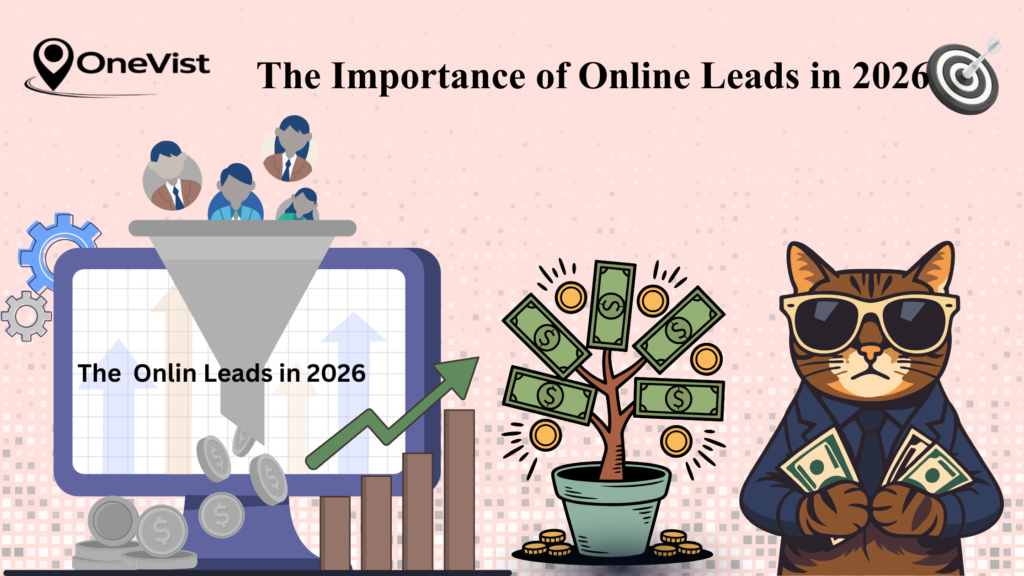
In the year 2026, having an online lead generation system in place is something that every business, regardless of size, should strive for. Most consumers now depend on digital platforms to find products, compare services, and make their final decisions. So, for a business to be successful, it has to attract potential customers and convert them online. These online leads are prospects interested in the company’s products or services and are capable of becoming a customer. Due to the rise of competition in different industries, having a lead generation strategy has become a must for business growth. Those companies that can efficiently identify and lead their online interactions to purchasing customers can enhance operational revenues and foster client engagement. What Are Online Leads? Online leads are potential consumers that, through the online platforms of the business, have met, known and have displayed some form of interest in the products or services of the business. This form of interest may be an act of filling out a contact form, subscribing to a newsletter, downloading a resource, asking for a quote or the mere act of registering for a free consultation. These leads represent a significant value to businesses in terms of opportunities for establishing relationships and influencing through the buying process. The level of qualification of a lead corresponds directly to the likelihood of that lead eventually becoming a customer. Why Are Online Leads Important in 2026? Online leads form the basis of contemporary digital marketing. When a business does not have a reliable source of leads, it may have a hard time finding new customers and sustaining its revenue increase. Lead generation processes allow businesses to Define potential customers Boost sales channels Enhance marketing efficiency Develop client satisfaction and loyalty Widen the audience beyond traditional advertising Achieve measurable business outcomes In the digital-first setting of nowadays, consumers’ go-to expectation is that businesses will be online and accessible. Those companies who don’t generate leads efficiently will most likely miss out on sale opportunities and eventually lose their customers to competitors. How Do Businesses Generate Online Leads? Businesses resort to multiple digital marketing techniques to lure and enlist leads. Search Engine Optimisation (SEO) SEO boosts businesses’ visibility on search results pages when potential customers are searching for relevant products or services. Organic traffic usually results in highly eligible leads. Content Marketing It is a medium through which one can not only attract customers but also keep the customers engaged by consistently providing them educational and/or entertaining and valuable resources and guides. Social Media Marketing Instagram, Facebook, LinkedIn, and YouTube are some of the channels through which businesses can engage with their customers, potential customers and partners and keep the running conversation of interest to their brand in the public eye. Paid Advertising Both Google Ads and social media advertising are effective tools for businesses to pinpoint target audiences, increase brand recognition and lead generation in the short term. Email Marketing In a digital marketing strategy, email is one of the best forms of targeted communication to nurture leads, including an explanation and offer to drive the lead through to conversion. How Does Lead Nurturing Improve Conversions? Lead generation is not everything that a business desires. Besides the generation, businesses also have to nurture those leads by using targeted communication and valuable content. Lead nurturing comes with the following benefits: Establishing credibility Informing potential customers Comforting customers Promoting lead engagement Elevating conversion signatures Remaining in contact with potential customers thoroughly during the customer journey can significantly boost the share of prospects that are willing to become loyal customers. Future Trends in Online Lead Generation As technology progresses and consumer behaviour changes, lead generation strategies are always evolving. A few of the major trends shaping online leads in 2026 are: AI-Powered Lead Qualification By leveraging artificial intelligence, enterprises can get to know the whereabouts of their top-of-the-funnel potential and prioritise their sales thrusts accordingly. Personalized Marketing Increased engagement and conversion opportunities happen with customised content and offers. Voice Search Optimisation Optimising lead generation content specifically for voice search is something that companies are looking at in an effort to reach their target audiences. Interactive Content With quizzes, calculators, assessments, and even live chats, all these types of user-centred content drive participation and provide very useful lead data. Automation Tools With the use of marketing automation platforms, companies can become more efficient at managing leads and improving follow-up processes. 1. What are online leads? Online leads are potential customers who show interest in a business through digital interactions such as forms, subscriptions, enquiries, or downloads. 2. Why are online leads important for businesses? Online leads help businesses attract potential customers, increase sales opportunities, and support long-term growth. 3. Which marketing channels generate the most online leads? SEO, content marketing, social media marketing, paid advertising, and email marketing are among the most effective lead generation channels. 4. How can businesses improve lead conversion rates? Businesses can improve conversions through lead nurturing, personalised communication, valuable content, and timely follow-ups. 5. What is the future of online lead generation? The future includes AI-powered lead qualification, personalised marketing, automation tools, voice search optimisation, and interactive content experiences. Conclusion Online leads are the most potent weapon of businesses in 2026. Essentially, they are a direct path to new customers, increased sales, and sustainable growth. Businesses can generate a steady flow of qualified leads by using strategies such as SEO, content marketing, social media marketing, paid advertising, and email campaigns. Given the digital competition that is escalating, the companies that make effective lead generation and nurturing their priority will be those that not only survive but thrive in the digital economy and achieve long-term success.